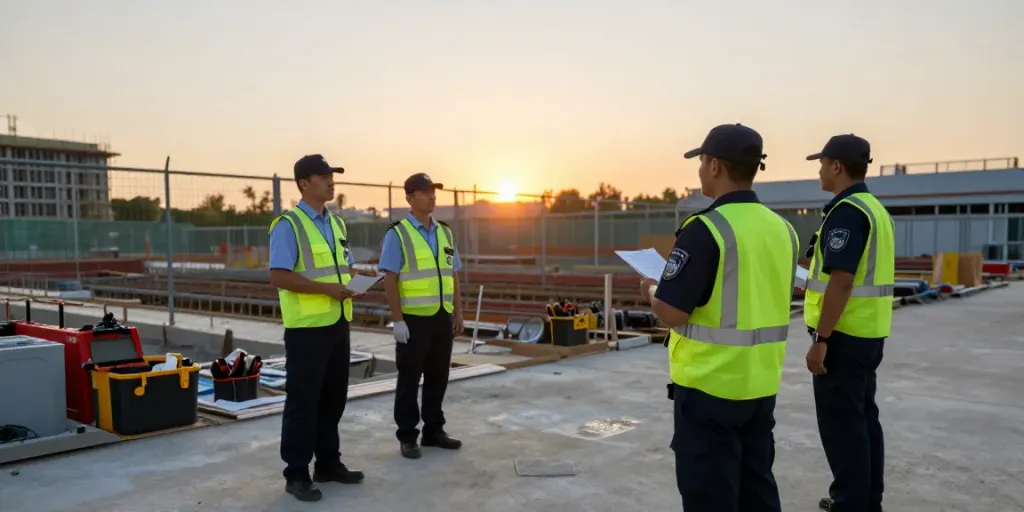
Understanding Construction Site Security Services
Construction site security is critical for protecting valuable materials, equipment, and personnel during the progress of building projects. In a bustling city like London, having a capable and reliable security plan is not only a necessity but also a legal obligation to ensure safety and compliance with construction regulations. Well-executed security measures mitigate potential risks, ward off theft, and reduce liabilities, providing peace of mind to contractors and clients alike. For a more detailed understanding of what effective security entails, Construction Site Security provides comprehensive insights into sector-specific solutions.
Importance of Security at Construction Sites
The importance of security at construction sites cannot be overstated. Due to the high value of construction equipment and materials, these sites are common targets for theft and vandalism. A well-implemented security strategy not only protects these assets but also ensures the safe operation of the project. Furthermore, various industries, including real estate developers, contractors, and subcontractors, rely on steady progress without interruptions caused by security issues. Such strategies promote a safer working environment, boosting productivity and enhancing worker morale.
Key Security Features to Look For
- Manned Guarding: Hiring licensed security personnel to monitor the site improves safety protocols significantly.
- Access Control: Controlled entry points limit unauthorized access, ensuring only authorized personnel can enter.
- Surveillance Systems: High-definition cameras and monitoring systems serve as both a deterrent and a tool for incident response.
- Patrol Services: Regular patrols by security personnel can deter potential threats and respond to emergencies quickly.
- Emergency Protocols: A solid crisis management plan is essential for any construction site to handle emergencies smoothly.
Types of Services Provided (Guarding, Technology Integration)
Construction site security services can vary widely based on the location, size, and specific needs of the project. Commonly included services are:
- Physical security personnel for manned guarding.
- Implementation of access control systems to manage who enters and exits.
- Installation of surveillance cameras and alarm systems to monitor activities.
- Use of drones for aerial surveillance and monitoring large or difficult-to-reach areas.
- Integration of technology for incident reporting and emergency alerts.
Choosing the Right Local Construction Security Provider
Criteria for Selection (Experience, Accreditations)
When selecting a construction site security service, considering the provider's experience and credentials is vital. Look for security companies that have a solid reputation in the local market, evidenced by years of service and successful project completions. Additionally, accreditations such as SIA (Security Industry Authority) licenses and NSI (National Security Inspectorate) certifications indicate a commitment to high standards and compliance with industry regulations.
Customer Reviews and Testimonials
Reviews from previous clients can provide valuable insights into the reliability and effectiveness of a security provider. Pay attention to feedback regarding professionalism, response times, and overall quality of service. Reputable security companies often display testimonials on their websites, but also consider looking at independent review platforms for a well-rounded perspective.
Understanding the Local Market Demand
Understanding the demand for construction site security in your area helps tailor services to meet specific needs. For instance, urban areas in London tend to require robust security measures due to higher crime rates. On the other hand, suburban or rural sites might have different threats and challenges. Engaging with a provider familiar with local conditions can greatly enhance security effectiveness.
Pricing Guide for Construction Site Security in London
Average Costs for Security Services
The cost of security services can vary widely based on several factors, including the complexity of the project, levels of required supervision, and the technology incorporated into the security plan. On average, clients can expect to pay between £12 and £20 per hour for basic guard services, though specialized solutions may demand a higher investment. Accurately estimating costs requires a consultation with security professionals to analyze project specifics.
Factors Affecting Pricing (Site Size, Risk Level)
Factors influencing the pricing of construction site security services include:
- Site Size: Larger sites generally require more personnel and resources.
- Site Location: Urban locations may demand higher security standards due to increased risks.
- Project Duration: Long-term projects need ongoing security solutions, impacting overall budgets.
- Technology Needs: Enhanced surveillance systems and monitoring tools will raise costs but can improve overall safety.
Value of Professional Security vs. DIY Measures
While some construction companies may consider DIY security measures to save costs, professional security services offer expertise and proven strategies that significantly enhance site safety. The investment in trained and licensed security personnel often results in reduced losses from theft and damage, ultimately delivering a better ROI than attempting to handle security independently.
Licensing and Compliance Standards in the Security Industry
Understanding SIA and NSI Accreditations
Security providers in the UK must adhere to licensing and compliance standards set forth by the SIA. These protocols ensure that security personnel are thoroughly vetted and trained. Companies that hold NSI accreditations have demonstrated compliance with stringent quality control measures, positioning them as trustworthy partners in safety and security.
Importance of Compliance for Safety and Trust
Compliance with regulatory standards is paramount for maintaining safety and credibility in the security field. Clients should verify that their security provider is fully licensed, bonded, and insured to ensure they are not only legally compliant but also committed to ethical practices. This builds trust and confidence among clients and stakeholders alike.
Regulatory Requirements for Security Providers
Security providers must comply with several regulations, including staff training, health and safety standards, and risk assessments. Regular inspections by regulatory bodies ensure that security practices meet ongoing compliance and best practice standards. Clients should engage with security companies that can provide documentation of these certifications as proof of their commitment to excellent service.
Best Practices for Maintaining Construction Site Security
Seasonal Considerations and Security Adjustments
Security measures must adapt to seasonal changes that affect construction schedules and potential criminal activities. For instance, during winter months, construction sites may become vulnerable due to limited daylight and fewer human activities. Adjusting security personnel schedules, enhancing surveillance, and being wary of common holiday-related risks form best practices for year-round protection.
Emergency Response Readiness and Protocols
Emergency readiness is an essential component of any security plan. Construction site personal must be familiar with emergency protocols, including evacuation routes, communication channels, and contact information for local emergency services. Regular drills can help ensure that everyone is well-prepared to respond effectively in real emergency situations.
Community Engagement and Building Trust
Building positive relationships with local communities can enhance security efforts. For more information, Construction Site Security offers valuable insights. Engaging with nearby residents and businesses can foster goodwill and cooperation which is beneficial for community vigilance against potential threats. Informing the public about safety measures and community concerns can create a collaborative approach to security.